When I first moved to St. Louis in the early 2000s, radon was something I'd only read about in passing. I figured it was a problem for other parts of the country, not here. Then a friend of mine bought a charming old bungalow in the Shaw neighborhood and discovered, during a routine radon testing, that the basement levels were nearly four times the EPA action guideline. That experience stuck with me. It also taught me something that still holds true today: a proper radon assessment home inspection is one of the most important steps a homeowner can take, especially in areas where soil gas can easily find its way inside.
Radon is a naturally occurring radioactive gas that forms when uranium in soil, rock, or water breaks down. It moves up through the ground and into the air we breathe. Outdoors it dilutes quickly and poses little risk. Indoors it can accumulate to dangerous levels. The EPA estimates that radon causes more than 20,000 lung cancer deaths each year in the United States. That makes it the second leading cause of lung cancer after smoking. The scariest part is that you cannot see it, smell it, or taste it. The only way to know if your home has a problem is to test for it. That is where a thorough radon assessment home evaluation becomes essential.
What a Radon Assessment Actually Involves
A radon assessment home inspection is not just placing a small plastic detector in the basement and waiting three days. A professional assessment goes much deeper. A qualified technician will evaluate the construction type, the foundation condition, the heating and cooling patterns, and the potential radon entry points. These entry points include cracks in concrete slabs, gaps around pipes, sump pump openings, crawl spaces, and the joint where the floor meets the wall. The assessor will also look at the soil type around the foundation and note any existing mitigation features, like a sump pump or a passive vent pipe that might already be in place but not functioning properly.
In St. Louis, the geology is particularly conducive to elevated radon levels. The area sits on a mix of glacial till, loess, and limestone, all of which can contain significant amounts of uranium. That is why many homes here test above the EPA action level of 4 picocuries per liter. A professional radon assessment home inspection accounts for these local conditions. It uses calibrated equipment and follows established protocols to give you a reliable reading. Without that level of rigor, you might get a false negative and assume your home is safe when it is not.
The Difference Between Short-Term and Long-Term Testing
One common question I get from homeowners is whether a short-term test is good enough. The answer depends on what you are trying to learn. A short-term test, usually two to seven days, can give you a quick snapshot. Real estate transactions often rely on these because time is limited. But radon levels can fluctuate with weather, season, and how the building is used. A long-term test, lasting three months to a year, provides a much more accurate picture of your actual exposure. For a true radon assessment home buyers should request a long-term test if they have the time, or at least a short-term test with a continuous radon monitor that records hourly variations.
Continuous radon monitors are electronic devices that measure radon levels in real time. They can detect spikes that might be missed by a passive detector. I remember one job where a passive test showed 3.8 pCi/L, just below the action level. But the homeowner was concerned about a musty smell in the basement, so we set up a continuous radon monitor for 48 hours. The monitor showed levels jumping to 7.2 pCi/L during a heavy rainstorm. That kind of detail matters. It tells you that your home is vulnerable during certain conditions, which is exactly the kind of information a thorough radon assessment home evaluation should uncover.
What Happens After the Test
If your radon test comes back at or above 4 pCi/L, the EPA recommends taking action. That usually means installing a radon mitigation system. The most common and effective method is active soil depressurization. This system uses a radon fan installed in an attic or outside the home to create a negative pressure under the slab. The fan pulls soil gas from beneath the foundation and vents it safely above the roofline, where it disperses. A manometer is placed on the pipe to show the system is working. You can check it at a glance and know the fan is running properly.
Sometimes a simpler approach works. Radon sealing, which involves filling cracks and openings in the foundation, can reduce entry points. But sealing alone is rarely enough for high radon levels. Most professionals combine sealing with an active soil depressurization system for reliable radon reduction. In homes with radon in water, a separate treatment system may be needed. Radon in water is more common with private wells than with municipal water supplies, but it is worth testing if you have a well.
Post-Mitigation Verification
Once a radon mitigation system is installed, you should never assume it is working correctly without proof. A post-mitigation radon test is the only way to confirm that levels have dropped below the action level. This follow-up radon test should be done at least 24 hours after the system is turned on, but many professionals wait a few days to let conditions stabilize. The same testing protocols apply: closed-house conditions, proper placement of the radon detector, and a lab analysis that follows EPA standards.
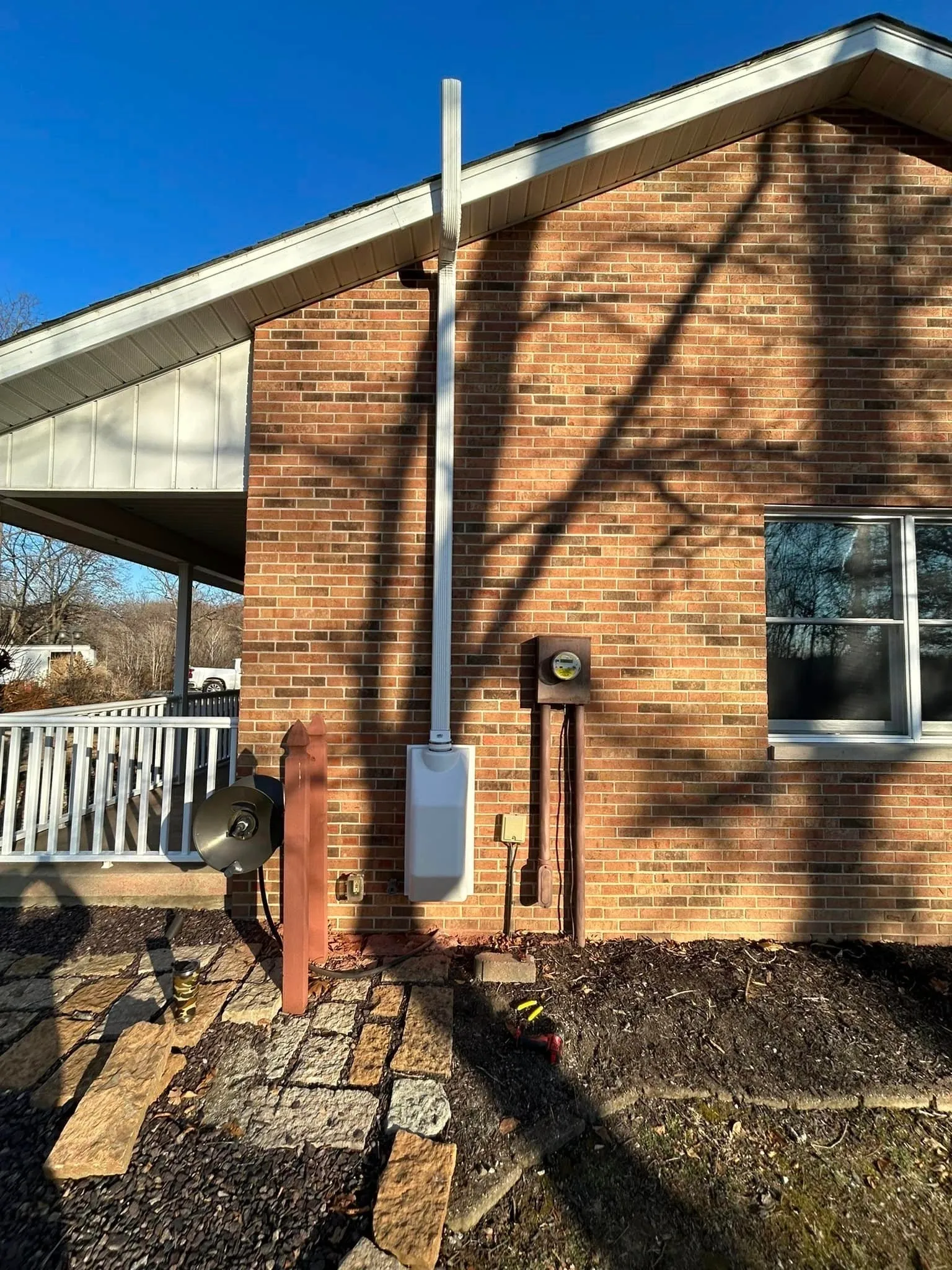
I have seen homeowners skip this step and later discover that the system was installed incorrectly. In one case, a radon fan was wired backward and exhausting into the crawl space instead of outside. The homeowner thought everything was fine because the fan was making noise, but the radon levels never dropped. A simple follow-up radon test would have caught the problem immediately. That is why any reputable mitigation company, like Air Sense Environmental, will include post-mitigation verification as part of the service. It is not just about installing equipment. It is about achieving real radon reduction.
Radon Resistant New Construction
For those building a new home, radon resistant new construction techniques are worth considering from the start. These methods include installing a layer of gravel under the slab, a vapor barrier, a sealed sump pump opening, and a vent pipe that runs from the gravel layer up through the roof. This passive system can be activated later by adding a radon fan if needed. Building radon resistance into a new home is much cheaper than retrofitting a mitigation system after the fact. It also gives you peace of mind that the structure is designed to keep soil gas out.
Choosing a Qualified Professional
Not all radon testers are the same. Look for someone who is certified by a recognized body, such as the National Radon Proficiency Program or the American Association of Radon Scientists and Technologists. They should use calibrated equipment and follow EPA protocols. In St. Louis, companies like Air Sense Environmental have built a reputation for thorough radon testing and effective mitigation. They understand the local geology and know which systems work best for the area's homes.
When you schedule a radon assessment home evaluation, ask about the specific methods they will use. Will they place a passive detector or a continuous radon monitor? How long will the test run? Do they offer a full inspection of radon entry points? A good assessor will answer these questions clearly and explain their findings in plain language. They will also help you interpret the results and recommend next steps if your levels are high.
Why You Should Not Delay
Radon is a serious health risk, but it is also a manageable one. Testing is inexpensive compared to the cost of a mitigation system, and mitigation is inexpensive compared to the cost of a lung cancer diagnosis. If you are buying a home, make radon testing a contingency in your offer. If you already own a home and have never tested, order a test kit today. The peace of mind is worth the small investment. A professional radon assessment home inspection is not something to put off. It is something to do now, before you or your family spend more years breathing potentially dangerous air.
The science is clear. The solutions are proven. The only missing piece is action. Whether you are buying, selling, or just want to make sure your current home is safe, a radon assessment home evaluation is the first step toward breathing easier.